
How We Work
Good delivery is not about novelty for its own sake or nostalgia for its own sake. It is about understanding the building properly, planning carefully and carrying the work through with skill, judgement and respect.
Careful planning, skilled people and real respect for the building.
We do not see care and progress as opposites. On our projects, better results come from understanding the building properly, making good decisions early and delivering the work with teams who know how to carry detail through well.
That matters most on heritage and refurbishment work, where there is usually more at stake than simply getting from start to finish. Buildings often need to stay in use, retain their character or absorb modern requirements without losing the qualities that made them valuable in the first place.
Buildings are handled with judgement, not with one fixed formula.
Better information and earlier thinking help reduce disruption, rework and avoidable change on site.
The finish still depends on experienced people, close supervision and care in the small decisions.
Plan properly before work starts
Good refurbishment and heritage work is shaped long before first fix. Better surveys, clearer sequencing and earlier coordination help reduce avoidable change and protect existing fabric.
Work with the building, not against it
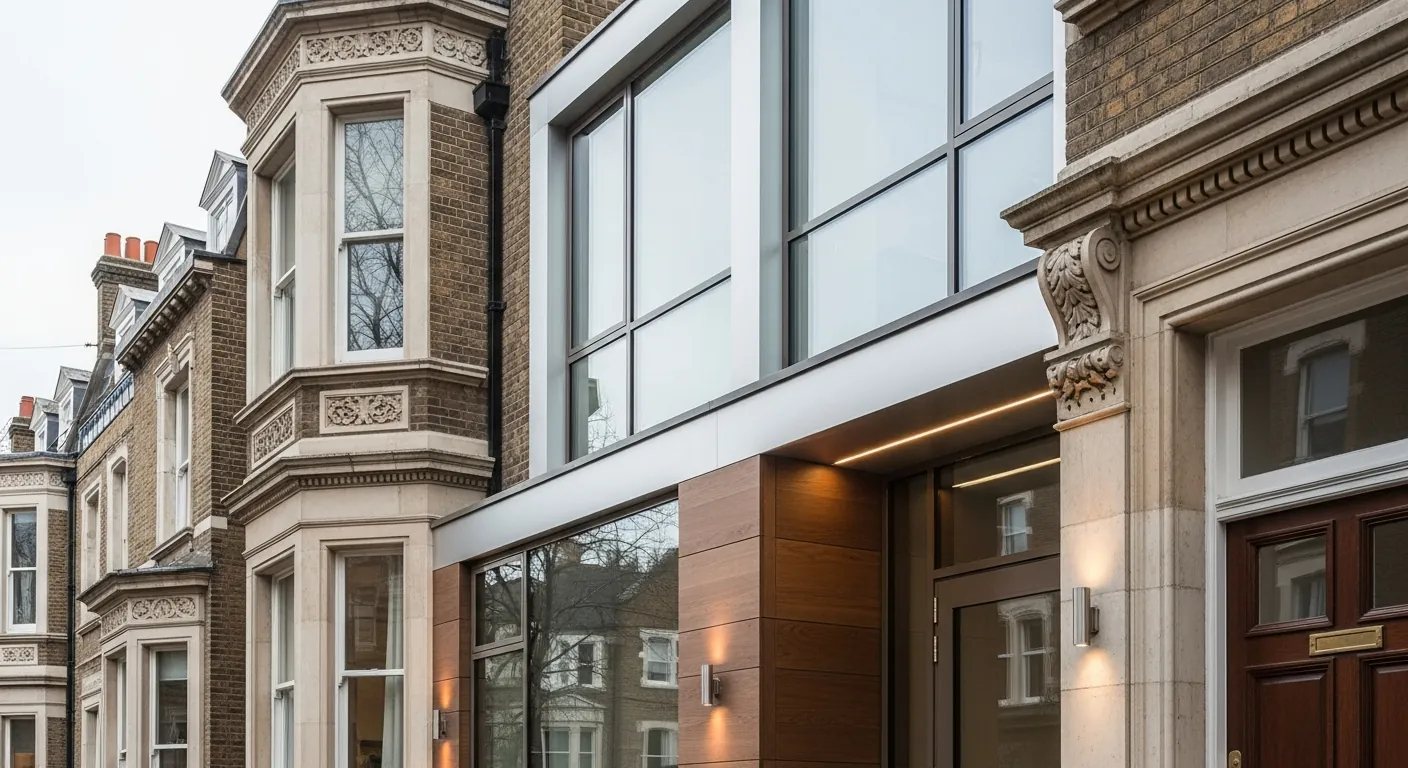
Older buildings rarely need heavy-handed answers. We look closely at what gives them value, then introduce new work, services and performance upgrades in a way that feels considered.
Craft and control belong together
Quality depends on skilled hands, but also on strong supervision, dependable planning and the discipline to carry good decisions all the way through to completion.
Clear sequencing, calm decisions and better control of detail.
In practice, that can mean investing more time in surveys and pre-construction, coordinating specialist trades earlier, protecting retained fabric with smarter sequencing or introducing modern services in a way that feels measured rather than forced.
The aim is not to make old buildings look new for the sake of it. It is to help them work better now — more safely, more efficiently and more comfortably — while keeping hold of the qualities that made them worth caring about in the first place.
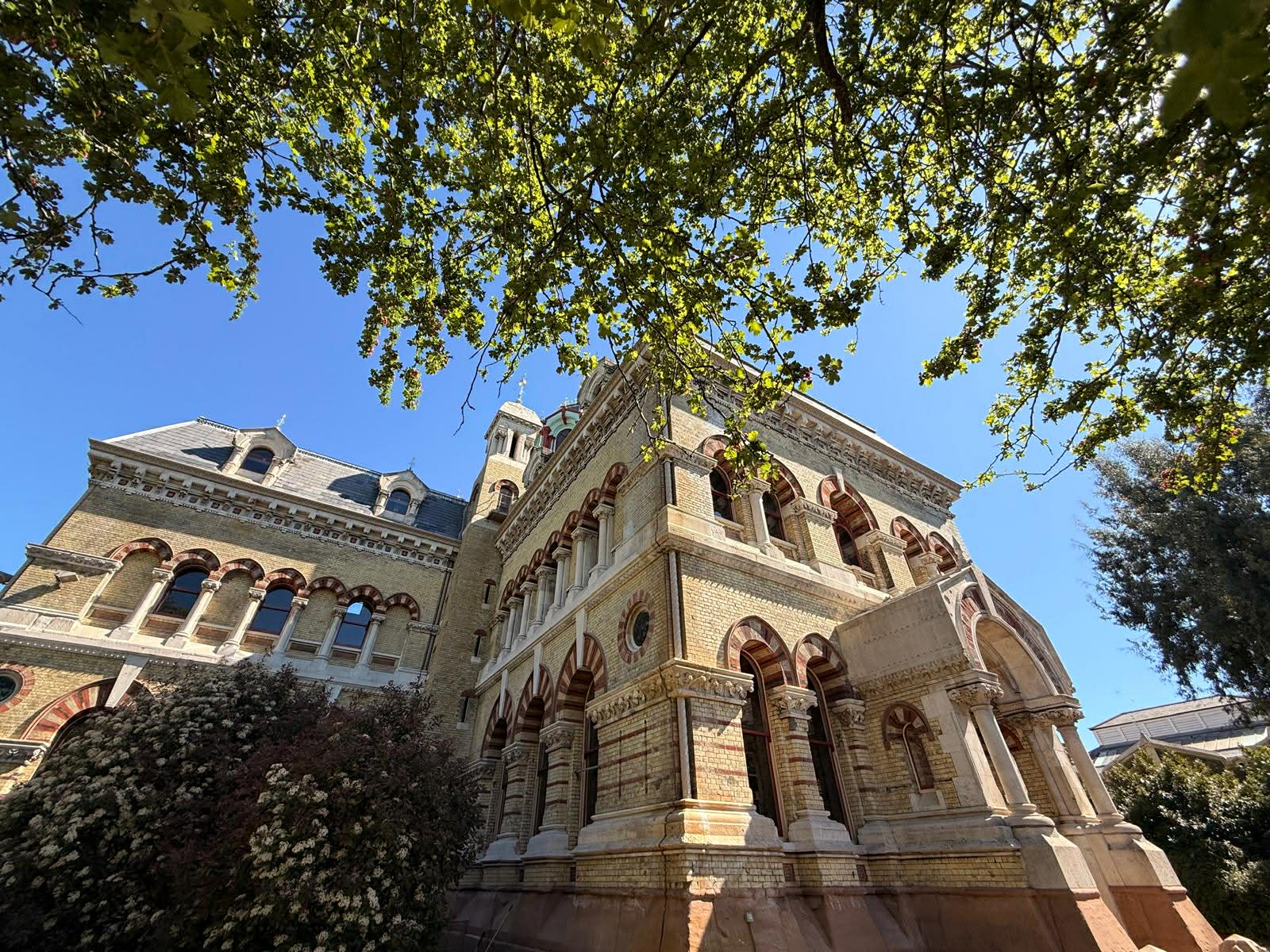
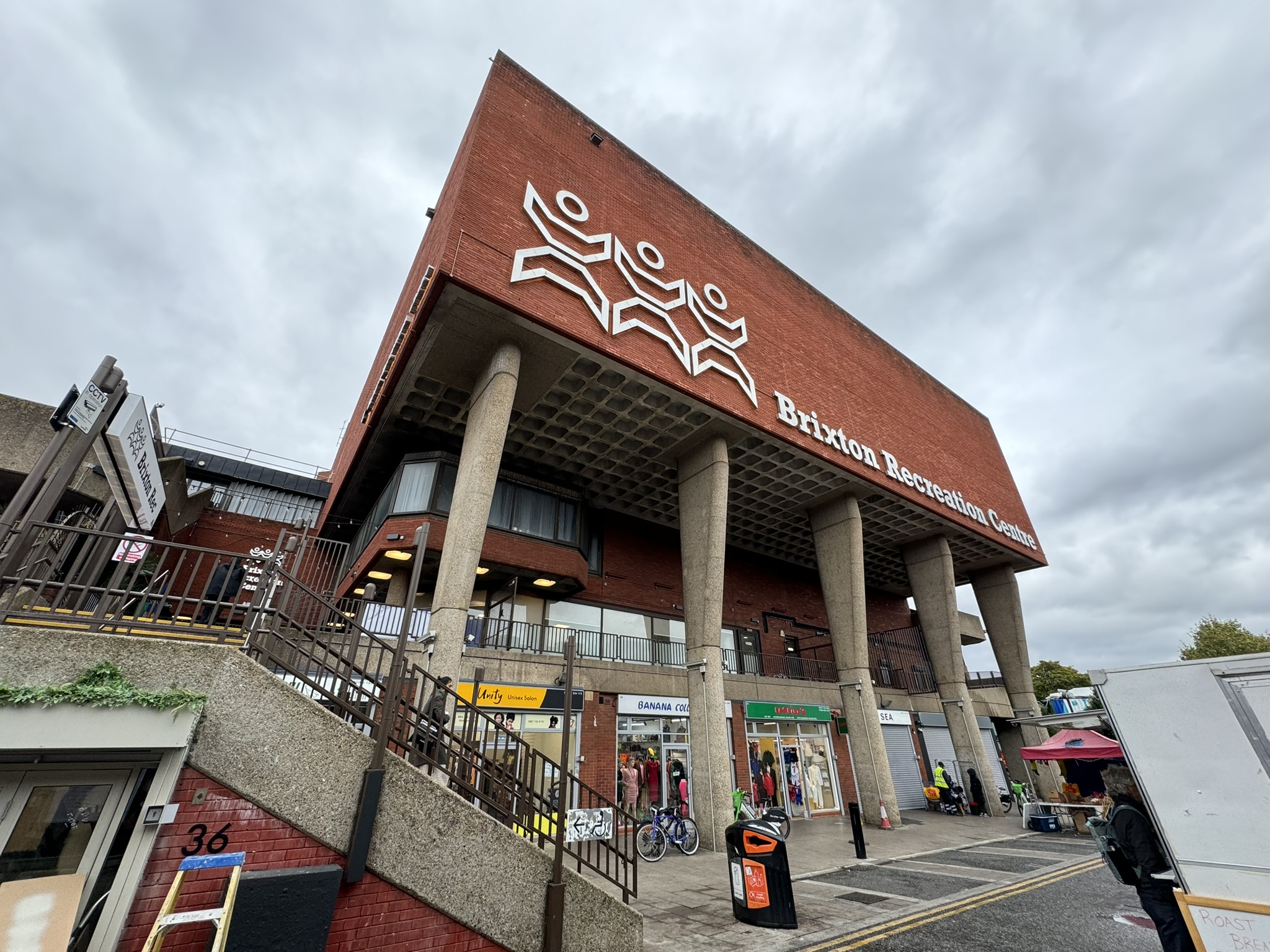
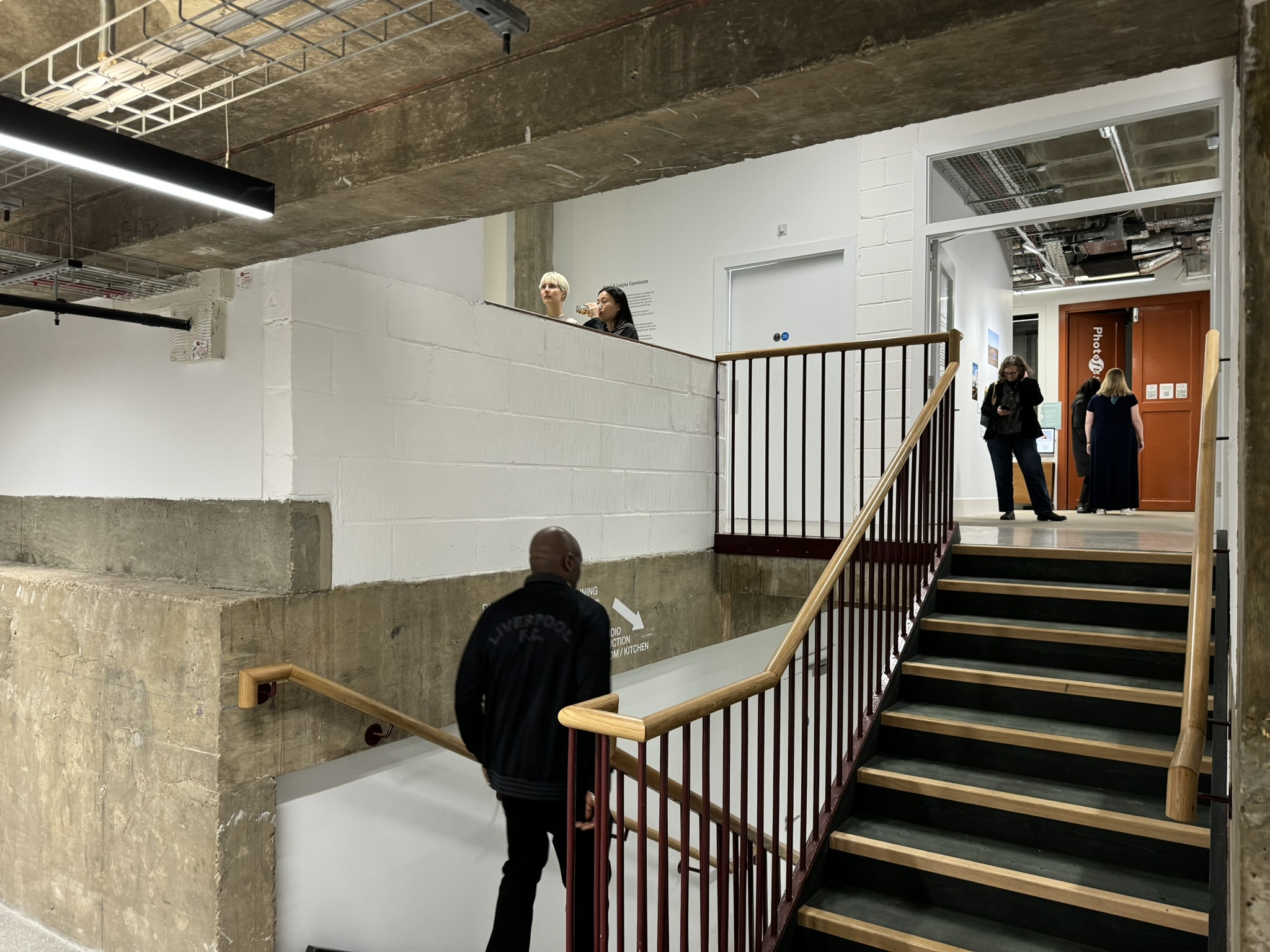
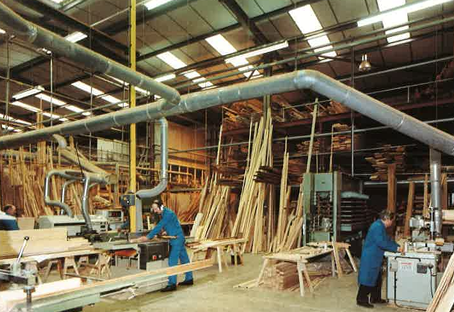
An internal joinery team that gives heritage and fit-out work another layer of control.
Our joinery capability helps keep survey information, design intent, manufacture and installation closer together. That can be especially valuable where profile, proportion, material and finish need careful handling.
It means bespoke elements can be made to suit the building rather than forced into it, whether the answer is careful matching, quiet repair or a more contemporary detail that still sits comfortably within the wider setting.
Bespoke windows, doors and trims shaped around existing character
Joinery packages that support both heritage work and refined fit-out delivery
Closer coordination between design decisions, manufacture and installation
Better flexibility when responding to irregular or sensitive existing fabric
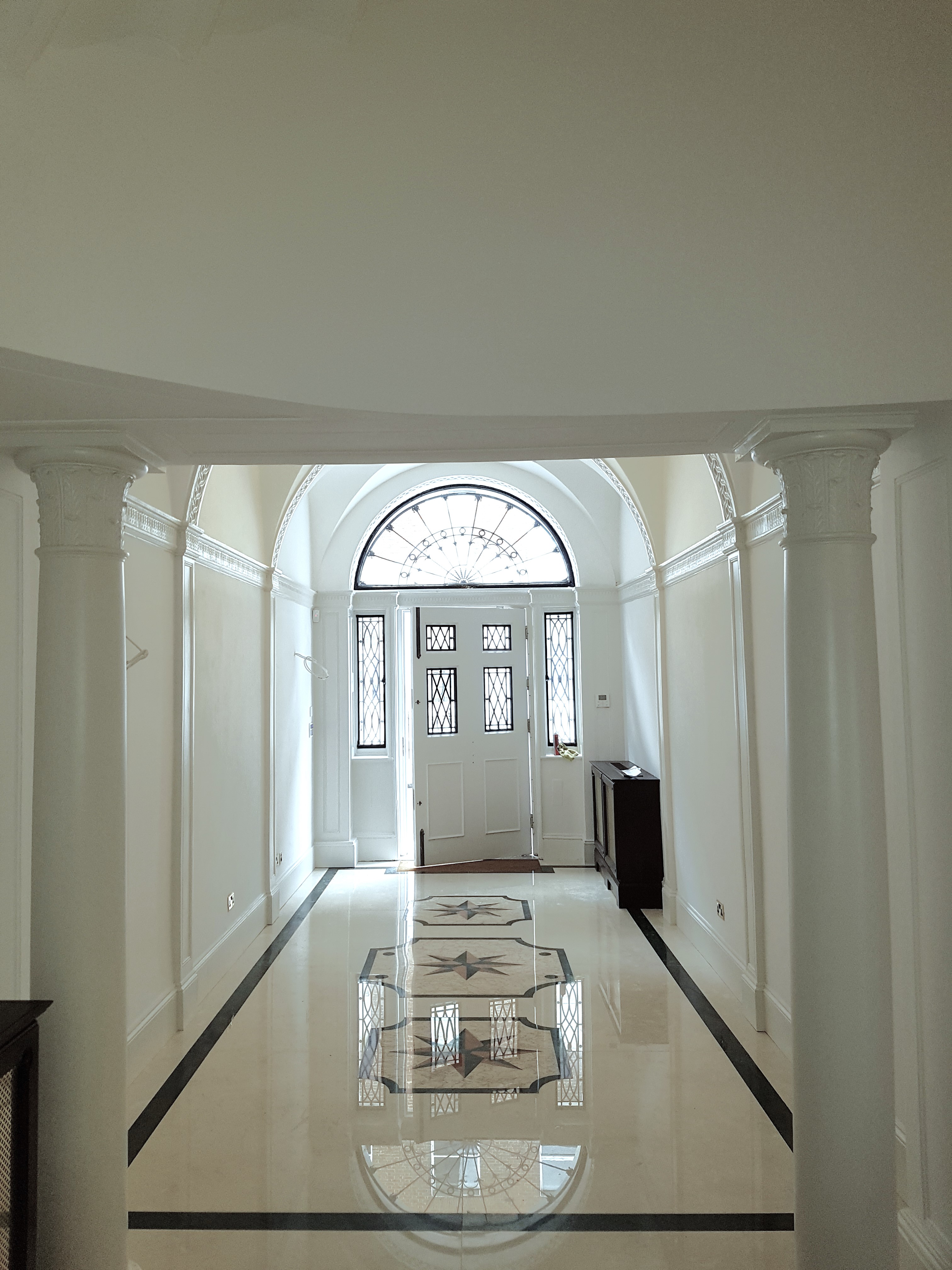
Work that shows care, technical judgement and modern requirements sitting together properly.
These projects give a clearer picture of the balance we aim for: protecting what matters, solving practical problems well and delivering finished work that feels settled rather than overworked.
A complex Grade II listed townhouse restoration where sequencing, technical judgement and careful repair all had to work together.
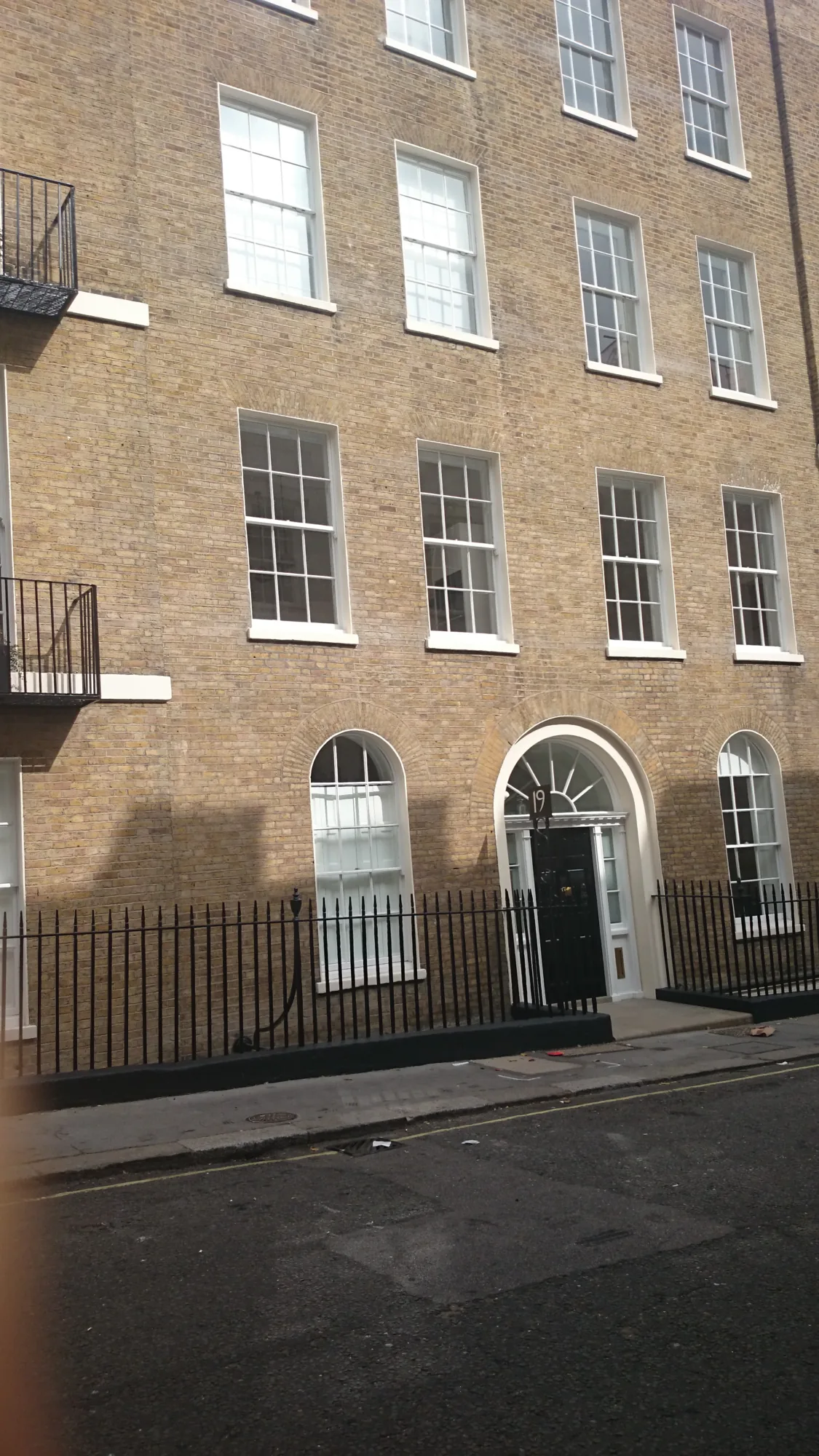
A listed building adapted for modern residential use without losing the character, proportions and detail that made it worth retaining.
New workspace formed within a listed setting, balancing present-day requirements with the practical realities of an established building.